Showing posts with label Mental wellness. Show all posts


Last week, a study released by the National University of Singapore declared that tea can prevent Alzheimer's disease, commonly known as dementia. With dementia becoming increasingly common, and its devastating symptoms, this is certainly a welcome piece of news. Is it really reliable though? The study was after all, only conducted on 950 seniors aged 55 years and above for seven years.

Results indicated that regular consumption of tea lowers risk of cognitive decline by 50 per cent. Those who genetically at risk of developing dementia may experience up to 86 per cent reduction in their risk of getting dementia.

The even better news is that this is in fact not the first time that such a study on the effects of caffeine has been conducted, and results have been consistent. According to Psychology Today, consumption of tea and coffee lower the risk of developing Parkinson's disease, which is a type of dementia, if you drink five to six cups of coffee per day for many years. Tea is found to have a better effect than coffee, though the difference between both is really minor. For reducing the chance of developing Alzheimer's, you'd just require at least two to three cups a day.

In fact, caffeine might not even be the substance that leads to the reduction in risk of dementia, for both beverages also contain biologically active substances like trigonelline and pyrogallic acid and antioxidants chlorogenic, coumaric, ferrulic, and sinapic acids and silverskin. These are all healthy substances.

The catch is that you should be drinking tea brewed from tea bags, and coffee brewed from coffee beans. So instants and fancy drinks like mocha might not really count due to the added number of numerous other substances.

Then there is also another study done in the UK, whereby those who drank two or three cups of black tea a day were less than half as likely to have early signs of dementia as those who never or rarely drank it. The article said that it was polyphenols in tea that had a beneficial effect against dementia, and green tea happens to be rich in these. It is assumed that Polyphenols work against dementia by preventing oxidation of brain cells, and blocking the build up of brain deposits. This study, however, states that coffee has no effect against dementia.

 So why aren't healthcare institutions and authorities encouraging the consumption of more tea?

The Alzheimer's Society in the UK warns against taking these studies at face value. The studies are often only done on a specific group of people, and media often exaggerates the impact.The best way to research the impact of tea on Alzheimer's is to have a randomnised controlled trial. Participants would be randomly split into two groups, one that drinks tea regularly, and one that doesn't, and they will be monitored over time. This is the only way to accurately determine the cause and effect. To date, there has been no such study done, despite numerous observation studies on caffeine and tea.

That is certainly a damper. But in any case, tea and coffee, especially tea, are generally harmless and far healthier beverages than soda and alcohol. There is no harm in drinking some tea everyday, as long as you don't do so before bedtime when it could cause insomnia. Green tea especially is renowned for a myriad of health benefits, from weight loss to bringing down cholesterol. Who knows, perhaps there is some truth in those studies.


Don't give up hope!

Unemployment without reliable source of alternative income is a state of life that most would dread to find themselves in. Nonetheless, that does not mean that you should sulk and gripe and get all anxious at finding a new job, because you may well worsen your situation.

According to an ongoing health and retirement survey partly sponsored by the National Institute on Aging in the US, joblessness has been linked with heart attacks in older workers. Multiple job losses can be as threatening as smoking, high blood pressure and other related heart problems. The rationale is that the worry and anxiety that comes with the loss of jobs and income creates stress for the heart. With rising health care costs and the world economy still in the doldrums, health problems stemming from unemployment may become a serious and prevalent problem.

Medical bills are the last thing you want to add on to your situation, so chin up! Here are some ideas on keeping your spirits up as the search for a new job goes on.

Continue your usual routine

This means no waking up in the middle of the day or lounging around in smelly pajamas. Do what you did while you had a work schedule to keep to. Get up early in the morning, go for a jog, take a shower and have a hearty breakfast. Consider this as one of the benefits of your current predicament – having the luxury of time to get your life in order, eat healthily and exercise. Then go about with your job hunting. Do also take some time out to do some chores; relief your spouse of some housework and make yourself feel useful. Set aside some time to do something constructive and significant to your field of work to keep abreast with times, such as reading up on relevant issues.

Upgrade your skills

If you have savings, upgrade your skills to boost your value, or even learn new skills to make a career change. WDA has many subsidized schemes, while UniSIM has a variety of post-graduate courses with flexible timings that you may continue with even after you’ve regained employment. You can even head to your nearest community centre to inquire about courses that you always wanted to do but never found time to.

Have fun

Don’t feel guilty because you’re unemployed. Like everyone else, you deserve some entertainment after a day of job seeking. Reward yourself for dutifully writing and rewriting your resume for different employers. Watch television, view some funny youtube videos, play with the children (if you have them), take a walk in the park, go out on a date with the other half to the supermarket… There are lots you can do to keep the depression bug away without spending a lot.

Exercise

Long hours of staying at home can cause you to feel lethargic. Your body also requires sufficient exposure to the morning sun or you will lack Vitamin D. Jog around your estate, go to the gym. Exercise relieves stress and motivates you while keeping you in good shape.

Turn to family and friends for support

Singaporeans, especially the Chinese, tend to associate unemployment with shame and having ‘no face’, which is really an undesirable mentality. I've lost count of the number of times I've seen a drama show a dejected man who just got fired, acting as though everything is savvy in front of his family members and even staying out the whole day. The really wise thing to do is to come clean with your family, and start budgeting and making plans for a tighter wallet. This is also a good chance to instill in your children the importance of saving for a rainy day.

Keep in touch with your friends; they may have job opportunities for you. Consider going online to seek support from local self-help groups. There’s bound to be a suitable Facebook group out there to join. Seek camaraderie. Ask for recommendations. Let off some steam by sharing your problems. But don’t whine continuously about your misfortune. Negative thoughts are a waste of time.

Volunteer

Spend some time helping the less fortunate. This will give you something meaningful to while your time away with. In addition, when you compare their problems to yours, you’ll put things in perspective and feel that unemployment is nothing to get worked up about.

Sell things you don’t need

Give your house a good tidying up. Compile the things you don’t need, and list them for sale on Ebay, or rent a flea market stall to hawk them. There are lots of flea markets held all over Singapore over the weekends that come with affordable rental fees. This may bring in extra income while you do something productive.

Remember, when your mental and physical health are in good shape, you'll be able to tackle those interviews more easily!


Aging is a natural process that everyone goes through, but the process itself differs from person to person. Why is it that some elderly people become more graceful and at ease with life like the typical sweet old grandma and grandpa that the children love,  while some others become rude, suspicious and even violent? Lifestyle and personality play major roles, but so does one’s state of mental health.

We often write off obnoxious behaviour from elderly folks as “crankiness” and being part of the normal aging process, but it could well be a sign of dementia, or Alzheimer’s disease, especially if the person in question was never like this in his or her younger days.

According to researchers, memory loss is only one of possible symptoms that signify the onset of dementia. Behaviour changes are what we really should be on the look out for, to identify dementia early. By the time memory loss is bad enough to trigger a visit to the doctor, the dementia would already be too severe to salvage.

Some warning signs include:
-          Apathy towards once-favourite activities
- Loss of appetite
- Anxiety towards performing routine activities
- Increasingly bad-tempered, easily suspicious and aggressive (especially so when such behaviour rarely exists before)
- Loss of impulse control e.g. sudden addiction to alcohol, drugs, compulsive gambling, hurting self and others, sudden rage episodes, eating disorders
- Socially inappropriate behaviour such as making crude remarks aloud, inappropriately touching someone and defecating in public (not due to incontinence)

Some of these behaviours could be attributed to depression and poor emotional well-being, especially if a triggering episode has occurred recently. Nevertheless, poor mental health in old age is not something to be taken lightly.

Although there is still no cure for progressive dementia, getting professional help at an early stage can improve quality of life. One dementia patient, technology specialist Mike Belleville would snap at his co-workers and using strong words on his wife, without remembering it. After going to the doctor, he was diagnosed with early-onset dementia. With medication, he was able to keep his temper under control. http://finance.yahoo.com/news/behavior-changes-offer-clues-dementia-could-brewing-204841987.html

So if you find yourself or witness a loved one experiencing negative changes in behaviour and mental wellness for no apparent reason, please don’t self-diagnose it as a problem of stress, menopause/andropause or just plain crankiness. Seek professional medical advice. Regardless what it turns out to be, early treatment is always helpful in managing negative motions.


It is common knowledge that lack of sleep or poor quality sleep gives rise to a whole host of health problems. Perhaps many of us have experienced it first hand. If you consider it nothing more than a daily annoyance, you’ll have to reconsider your stand again. Research by Jeffrey Iliff, a brain scientist at Oregon Health & Science University in Portland, indicates that lack of sleep could lead to Alzheimer's disease, also commonly known as dementia.

Among research animals that don’t get proper sleep, toxins build up and damage the brain (yes animals get Alzheimer’s too). It is thus assumed that during sleep, the brain clears our toxins and consequently, lack of sleep time causes the brain to fail to conduct this duty adequately. More advanced research will have to be done with human subjects to further prove the results.

Nevertheless, lack of sleep is certainly detrimental to everyday functions, and people who have contracted Alzheimer’s disease have had known sleeping problems. There are solutions for the average person who has trouble getting shut-eye. However, as we age, getting sufficient deep sleep does get challenging due to decreasing melatonin, even if one is not plagued by other health problems.

Senior citizerns who are already vulnerable to health conditions, should not cast off lack of sleep as a natural process of ageing, but instead strive to get the required amount of sleep, which means 7 to 8 hours a day, for optimal health. Here are some tips to combat sleeping problems related to ageing:

Keep the mind and body active in the day so that you’ll crave rest at night. Exercise regularly and indulge in your hobbies and social activities with friends and loved ones. If you have plenty of time to spare, volunteering and attending classes are good ways to expend that extra energy.

Do things that improve your mood. Keep yourself occupied with activities you enjoy. Talk to someone about your problems, so that you can go to bed with a light heart and head.

Get some sunlight in the morning. Sunlight helps to regulate production of melatonin, which is essential for sleep.

Limit caffeine, alcohol and nicotine, which will affect the quality of sleep.

Seek doctor’s advice on medical conditions and medications that prevent you from sleeping. Lack of sleep can certainly interfere with your recuperation and the doctor would surely wish to be aware if you have trouble sleeping.

If there is a tendency of waking up to use the bathroom at night, refrain from drinking water 2 hours before bed. Instead, get your required daily 8 glasses of water in the day time.

Snoring and sleep apnea are symptoms of breathing problems during sleep disorder and they occur more frequently with age. Be sure to have them checked out by a doctor. Also consider investing in ear plugs if your partner is a snorer.

Have a comfortable sleeping environment that is dark, quiet, of the right temperature, safe and tidy (no piles of unrelated stuff on your bed).

Go to sleep at a regular time everyday, and lie down even if you cant fall asleep right away. Allow the mind to relax and eventually drift off to sleep.


If try as you might, you simply cant sleep, or if you find yourself constantly feeling tired and sleepy in the day, do consult a doctor. Lack of sleep should not be brushed off easily!
For this year ahead, make it your resolution to get good quality sleep for 8 hours each day!


Source: Zeenews
The recent acts of terrorism around the world have once again sparked negative sentiments towards certain religious and ethnic groups. Yet while many rogues commit evil in the name of religion, religion is in fact interpreted by humans, and many religious texts do not so much as express support for murder and destruction.

However, because religion is such an emotion-evoking topic, it is often used by manipulative sociopaths to recruit followers and accomplices when they spread twisted interpretations of their faith.

The question that begs to be answered is, in this day and age when most of us have been thought to not readily accept things we see on the internet as facts, why are some people more susceptible to self-radicalism online. Some of them, who never had so much as a petty crime to their name, are citizens of relatively safe and prosperous countries. Why would these seemingly normal people give up their stable life to head to Syria, a warzone where numerous cruelties against humanity are committed everyday?

Some intellectuals who study the appeal of extremist ideologies believe that the radicalization is a mental health problem, not a religious problem. Kamaldeep Bhui, professor of cultural psychiatry and epidemiology at Queen Mary University of London, shared that following the 9/11 attacks, research was done to assess the sympathies that people of Pakistani and Bangladeshi origin living in the UK harboured towards terrorist acts and violent protests. A correlation was discovered between radical sympathies and “and being young, in full-time education, relative social isolation, and having a tendency towards depressive symptoms.”

Depressed and socially-isolated individuals tend to develop a pessimistic outlook towards life. Quoting Kamaldeep: “Young people finding themselves alienated from their culture of origin and not fitting host culture are unable to discern orthodox religious practice and belief from ideologies associated with cults, gangs or extreme religious movements.”

The promise of solace among likeminded individuals as well as a more optimistic future from radical organisations may be a draw. One may even entertain thoughts about how it is acceptable to eradicate the rest of the world that made his/her life miserable. Peer pressure can also play a part in redirecting paths, but the general consensus is that a person with a healthy self-esteem, good social support and knowledge about authentic religious teachings will not only be less susceptible to radicalism, but also be a positive influence on his peers.

That is not to say that all lonely, depressed and unhappy young people are potential terrorists in the making. Experts in the field concede that it is difficult to identify people who are at high risk of being radicalised. In fact, some may not be depressed or exhibit other forms of mental problems but merely believe that radical groups can fulfill their aspirations in ways that a conventional lifestyle is unable to.


However, what is certain is that depression and isolation do make people more suggestible to external influences. We have to reach out to them, or have someone with the right attitude and expertise to do so. Looking out for the welfare of our fellow men is part of total defence. It is the duty of every citizen to be vigilant and knowledgeable about safeguarding the welfare of the vulnerable, which includes those with emotional difficulties like depressive symptoms, poor social support networks, anger and aggression management issues and tendencies towards gang and criminal activities. By reaching out and caring, we can prevent a myriad of risky behaviour that stems from it, including suicide, violence and crimes.


It is common to do illogical things in a fit of anger.

Saying things you don’t mean to, pulling up misconstrued facts and jumbling up words, agreeing to a challenge you’d never have agreed to in your right state of mind… why do we often seem to act out of character when angry?

When our body is under stressful situations, hormones are released to facilitate flight or fight. That would explain, why, when we’re confronted of danger, we would either run faster than we ever thought we were capable of doing so, or fight back with such strong punches without feeling the pain until later.

Our brain, too, goes into fight or flight mode when verbally confronted, but more often than not, it tends to work against us. Here are some of the effects arguments have on our brains:

Short-term memory loss
Increasing levels of the stress hormone cortisol causes this. That’s why you may sometimes find yourself tongue-tied, at a loss of words, or you may try to give an adage to support your argument but realise that you don’t really know how it goes. It is temporary and tends to affect less important memories, so don’t be surprised if the wife still brings up the issue of how you forgot her birthday ten years ago with great clarity.

Impaired judgment
When your brain is over-stressed, you lose the ability to manage complex situations. Never make a decision in a fit of anger or when you’re overwhelmed with emotions, as it may be a bad decision.

More ideas leading to innovation
During an argument, the outside layer of nerves is strengthened, facilitating the transmission of nerve impulses, thereby improving your thinking. Have you ever found yourself feel more wide awake and focused during an argument? This would be the reason for it. And the more you think, the more ideas you get. This could be the reason why some meetings tend to be explosive. It is certainly more productive than slouching in your chair and waiting for your turn to be over! Nevertheless, arguments are good for brainstorming, but refrain from making decisions as this could then lead to impaired judgment.

Increased heart rate and blood pressure
When you’re really angry, you may feel your heart beat real fast due to the release of adrenaline. This is when you really need to take a step back and calm down. People who have heart disease may succumb to heart attack under great pressure.

Heart disease is a result of pressure accumulated over time, so while one argument usually does not cause a healthy person to collapse, serious arguments accumulated over a period of time will burden the cardiovascular system. Hence it is much better for your health to take things easy.

Further more, words that come out of the mouth can never be taken back, no matter how much you don’t mean it. So if you can’t argue in a calm and collected manner, rather than adding fuel to the fire, take your leave by saying something to the effect of, “I feel too upset to talk, and I want to take a timeout. Let's meet back here in an hour when we're both feeling calmer.”

Walking away an argument when things heat up gives you a chance to analyse issues in a more rational state of mind. It should not be an opportunity for you to avoid problems. It is still important to eventually resolve the tension and come to a viable agreement between both parties.


The suicide of Robin Williams is an immeasurable loss to the entertainment world and all who look up to him, but on the bright side, it has encouraged more to discuss their struggles with depression, and for the sceptics to take it more seriously.

One can be identified to be depressed if he/she has lost interest in once pleasurable activities, and/or experiences feelings of hopelessness. But clinical depression manifests in different manners from person to person. Other common signs include:

- Lack of concentration or difficulty in doing tasks that were previously thought to be easy
- Difficulty sleeping or sleeping too much
- No appetite or can't stop eating
- More irritable, short-tempered and aggressive than usual
- Reckless behaviour
- Those who drink or smoke may indulge in these in greater frequency
- Thoughts that life is not worth living.

Depression often happens after a major setback in life, such as the loss of a loved one, being fired, losing (or fear of) bodily/vital functions as possibly in the case of Robin Williams who was revealed to have Parkinson's Disease, etc. However, depression can also be due to genetics, or seasonal changes in countries with four seasons.

Adding on to the complexity of this problem is that most people are not able to put themselves in the shoes of the depressed, even psychiatrists, if they have never suffered from depression before. Often, they tend to belittle the struggles of depression, and that is what makes depression overlooked.

Depression is sometimes also misdiagnosed as bipolar disorder, because there are times when the patient feels cheerful, and other times, absolutely down. While these are signs of bipolar, they are also perfectly normal in depression, as depressed people do not necessarily feel down all the time.

A depressed person, especially one with suicidal thoughts, is in a delicate state of mind. You can't regard them as a regular individual whining about life's hassles, because that is not what they are doing. Talking is not a means for them to let of steam, but a cry for help. Aside from ensuring that he/she is getting professional help and taking the necessary medicines, here are some things you can say or not say, to let them know that you care, even if you can't help them.

What to say: You’re not alone in this.
What NOT to say: There’s always someone worse off than you are.

What to say: You are important to me.
What NOT to say: No one ever said that life was fair.

What to say: Do you want a hug?
What NOT to say: Stop feeling sorry for yourself.

What to say: You are not going crazy.
What NOT to say: So you’re depressed. What's new?

What to say: We're here to help each other through difficult times.
What NOT to say: Try not to be so depressed.

What to say: When all this is over, I'll still be here and so will you.
What NOT to say: It’s your own fault.

What to say: I can’t really understand what you are feeling, but I can offer my compassion.
What NOT to say: Believe me, I know how you feel. I was depressed once for several days.

What to say: I’m not going to leave you or abandon you.
What NOT to say: Your depression is making our lives difficult.

What to say: I love you. (Only if you mean it.)
What NOT to say: Stop being so self-centred.

What to say: I’m sorry that you’re in so much pain. I am not going to leave you. I am going to take care of myself, so you don’t need to worry that your pain might hurt me.
What NOT to say: Have you tried chamomile tea?


Losing someone dear is very painful indeed. It evokes a roller coaster of emotions, sometimes internalized, often outwardly displayed, prompting reactionary sentiments in others. It is little wonder that photographers and journalists would disregard accusations of ethics inadequacy to capture these emotional responses after an accident or a disaster.

In the aftermath of the disappearance of the MH370, the reactions of the relatives have been plastered all over the media, drawing opinions from the public, most of it being sympathy, but some, scathing remarks, suggesting that the relatives were playing up the drama with their loud wails, or acting like vultures, or just being plain unreasonable and ungrateful. Whatever the reasoning for their behaviours, we don't know, not being directly in their shoes, but one thing is definite – there is no “correct way” to grief, and suggesting that some of the victims’ families are "showing their ugly side" is being unfairly judgmental.

It is never right to judge the reactions one displays when grieving, because loss affects people in various ways, and a wide range of emotions, or even lack of it, may be displayed.

Aside from crying and sadness, other common reactions include shock and disbelief, guilt (over things you did or didn’t, could or couldn’t say or do), anger (the need to blame someone for the injustice for the loss), fear (about your own insecurities or adapting to a life without the person). Sometimes, none of these emotions are displayed, but physical problems like nausea, fatigue, weight gain or loss, insomnia and falling ill due to lowered immunity may set in.

Helping someone to cope with grief

Connecting with others helps in the healing process. Depending on the grieving person’s reactions or behaviour, the way you can go about offering help and support would differ. Some people are more vocal about their emotions and take the initiative to confide in others. Others believe that it is a sign of weakness and prefer to put up a strong front while suffering internally. Regardless of how they behave, knowing that someone is there for them is a huge relief for them. If you’re sincere about helping, you should never consider yourself as an intruder and give up when they don't seem appreciative of your presence.

What to say to a grieving person

This is something most people feel awkward about and fumble with. One of the most important rules of the thumb is to never attempt the “I know how you feel” remark, because not only does it not help, it is usually not true, or at least, not entirely, and comes across as frivolous.

The American Cancer Society offers these suggestions as a guide:
Acknowledge the situation. Example: "I heard that your_____ died." Use the word "died" That will show that you are more open to talk about how the person really feels.
Express your concern. Example: "I'm sorry to hear that this happened to you."
Be genuine in your communication and don't hide your feelings. Example: "I’m not sure what to say, but I want you to know I care."
Offer your support. Example: "Tell me what I can do for you."
Ask how he or she feels, and don't assume you know how the bereaved person feels on any given day.

Lending a Listening Ear

Usually, there is little you can do to reduce the sense of loss, especially when the tragedy is recent. But being a good listener helps encourage the grieving person to open up and release themselves emotionally. When faced with someone who isn't keen to talk, do not attempt to force him/her to open up, but try non-intrusive questions like “Do you feel like talking?” “You might feel better if you let it all out. I’m here if you need someone to talk to.”

Tips on being a good listener

- Understand that silence can be golden. If the grieving person doesn't want to continue talking, don’t press him. Don’t offer your comments or judgment unless you’re asked for it.

- Be patient. The grieving person may repeat accounts or something they have said previously. Retelling is helpful for some in reducing the pain, and it should not be interrupted.

- Accept all feelings and reactions. Unless the grieving person is doing something that will cause harm to oneself or others (in which case you need to call in medical professionals), assure that they have free reign to express their emotions in whichever way they find most comfortable. Some people cry, scream, break down or make blind accusations, then feel utterly ashamed of their behaviour and exhibit social withdrawal. Let them know that you won’t judge them by their behaviour.

- If you have had a similar experience of loss, you may share it, but don’t attempt to make comparisons or belittle their grief.

Help out with the daily necessities

A grieving person often has no energy or mood to see about their daily needs. They may feel embarrassed or not have motivation to ask for help, so take the initiative. Here are some things you can help out with:

- Help with funeral arrangements
- Cook for them, or buy premade food with as little preparation work required as possible.
- Run important errands and make sure bills are paid on time
- Take care of the more important housework, such as changing the bed sheets and washing the clothes
- If there are children, pets or house plants, help to make sure they don’t go neglected.

And when they are feeling stronger and willing to go out and about, you can :

- Accompany them on a walk or wherever they wish to go
- Treat them to an enjoyable activity like a movie or a day out to the theme park
- Go with them to a support group

Time should eventually fade the scars, but if the bereaved is still displaying odd behaviour in relation to grieving, especially after two months, or if the behaviour gets worst with time, professional help will be needed. Grieving can lead to depression and even suicidal thoughts if the negative emotions are not properly managed.

Warning signs include:
- Difficulty managing daily life
- Neglecting personal hygiene
- Turning to alcoholism, drug abuse and excessive smoking
- Hallucinating
- Frequent nightmares
- Inability to derive joy from delightful activities
- Social withdrawal
- Constantly feeling bitter, angry, guilty or hopeless
- Talk or interest in death or suicide

Many hospitals in Singapore offer Grief Counselling and therapy. The Singapore Association for Mental Health has a toll-free counselling helpline as well as counselling sessions that only charge a token donation. They will refer clients to a psychiatrist or relevant agencies in the community if necessary. Appointments can be made via http://www.samhealth.org.sg/counselling/


Exam fever is just round the corner and the last thing you want is to get an actual fever which could affect your performance or even prevent you from turning up for the exams.

Additionally, many people tend to cram at the eleventh-hour, which leads to a myriad of stress-related problems, as well as a flare-up of existing health problems. Here are common health-related issues that occur during the exam period and tips on managing them so that you can take your exams in top form.

Eating irregularly / Gastric
Never skip meals for that extra hour of revision. Eating irregularly can lead to gastric and other related problems. In addition, regular well-balanced, healthy meals will strengthen your immune system and help you to focus and stay alert. Make sure you have breakfast, especially on the exam days, even if you have no appetite. Not eating breakfast may incur many unpleasant problems, including feeling lethargic and being unable to concentrate.

Headache / Migraine
Headaches and migraine may occur from tension. Don't stay up late at night to study; concentrate on getting ample sleep instead so you can concentrate and revise more in the day. Drink sufficient water to prevent dehydration. Take regular breaks and study in well-lit rooms. This is especially vital for students with eye problems. Coffee isn't the miracle drink for alertness; some people develop headaches from drinking more coffee and other caffeinated drinks than usual.

Junk food overload
Revising often gives rise to the need to munch something. If you must have a snack, try an apple or dried fruit snacks instead of potato chips. Unhealthy snacks can cause one to fall ill, especially when you're not washing it down with sufficient water. Additionally, some people develop guilt pangs from eating more and that can affect your mental well-being. Finally, refrain from eating and drinking after 8pm as it can cause your digestive system to overwork, which may lead to insomnia and other digestion problems.

Stomach upset
Stomach upset may happen due to constipation or anxiety. Do drink plenty of water and consume fruits and vegetables if you're having constipation.  If your stools are runny or watery, get medical help, and keep yourself well-hydrated as diarrhoea can lead to dehydration.

Mouth Ulcers
Mouth ulcers may occur due to lack of sleep, or grinding / biting from stress and anxiety. They aren't really a cause for medical concern, but they sure are painful and irritating. Here are some tips on how to soothe / get rid of them. Of course, prevention is better than cure, so try to get sufficient sleep, and take breaks if the stress is getting to you.

Asthma
In serious cases, stress can induce a relapse in asthma patients. Make sure you take your asthma medication regularly, and have an ample supply of working inhalers at all time. Don't forget to have one with you during your exam. In addition, learn relaxation exercises, such as deep breathing, progressive muscle relaxation or clearing of negative thoughts. Practise these during your breaks, and you can use them to stay at ease during your exam.

Eczema
Eczema is yet another problem that, while not caused by stress/anxiety, can be worsened by it. One may be tempted to scratch vigorously out of irritation, which worsens the condition. Apart from it being bad for your skin, it affects your concentration. Take your medication regularly and keep your skin well moisturised. Bring your moisturiser with you to the exam hall, especially if it's air-conditioned. Wear loose-fitting airy clothes that will not cause your skin to itch.

Insomnia
Tempting as it may be, avoid studying on your bed, as it may condition your mind into failing to associate sleep with your bed. Worrying can cause an inability to go to sleep. Here are some tips from a previous article on how to deal with insomnia.

Body aches

When you're seated in one position, buried in your notes for too long, this can arise, and it can get in the way of concentration during your exams. When studying, do use a chair with good back support. Sit up properly and avoid slouching. Take frequent breaks, walk around, do some light stretches, or switch your study area from time to time.

Inactivity
You may be tempted to hole up in your seat all day to devour your revision notes, but lack of activity can cause you to feel lethargic. It may also lead to the above-mentioned problem of bodily aches. In addition, you may grow weary of the task at hand and your concentration may slip away. Try to incorporate some time for exercise, which can help to release stress and . Take a walk outside and let the greenery soothe your eyes. Taking your mind away from the exams from time to time can do your body and mind lots of good.

Good luck for your exams!


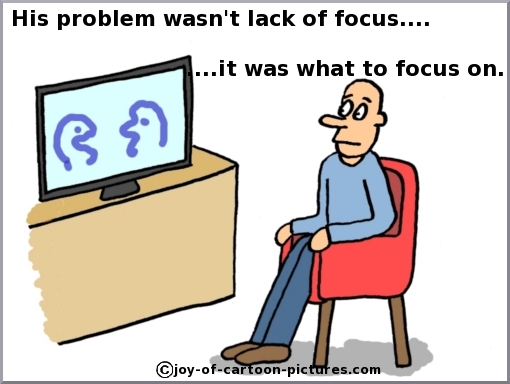
Can you make it through this article in entirety without tending to your Facebook notifications from your phone, switching to another tab on your internet browser or thinking about what’s for lunch/dinner/supper later?

Virtual cookies for you if you can, but I’m betting you aren’t going to get them.

Being physically present, but mentally elsewhere, a state known as autopilot, is a common problem these days, especially given the omnipresence of social media and multimedia entertainment. While one may argue that getting a little break or harmless day dreaming can help to inspire new ideas, in truth, this is a major cause for procrastination. Spending too much time in your imaginary paradise can in the long run lead to anxiety (from not completing your work) and depression (at reality, or failure to achieve).

More importantly, if you don’t focus on things that matter, they will be just be random things that you bypass in life on a daily basis, rather than adding value to your life. Do you sometimes find that you have trouble remembering and describing things, names and faces that should matter? Maybe it’s because your mind is on a bazillion other things.

The common excuse of “I can’t focus” is in fact, just an excuse.

When performing tasks, our brain’s reflex response to our usual mode is the focus mode. If you’re in the middle of doing your work, and possibly multi-tasking with something else inessential or in Lala-land, and you heard someone yell “Fire!”, chances are, you’d drop whatever you’re doing, stick your head out of your dream world and concentrate on finding out what this fire is about. It’s unlikely that you’d start fiddling with your Facebook, unless you’ve made certain that the situation is not dangerous for you.

The fact is, many of us are capable of focusing on the things that matter. We are just not using this ability to its full potential. If we could just utilize this ability to give strict attention to the task at hand, imagine how much we could achieve, and how much more time we can enjoy for guilty pleasure.

Certainly, telling oneself to focus is easier said than done, and the common recommendation of rewarding oneself after the task is done may often lead to thinking about this reward in the middle of work instead, which becomes counter-productive.

Meditation is a tried and tested solution to help focus the mind and even alleviate stress and anxiety. Here are three simple ones that anyone can do, any time, anywhere.

Walking meditation.

This conventional meditation method is recommended by recommended by Catherine Kerr, director of translational neuroscience at Brown University's Contemplative Studies Initiative.

All you need is an empty space, the more spacious, the better, preferably with nobody and nothing to get in your way. With no shoes on, but preferably with socks, simply walk at a slow or medium pace, focusing your attention on your foot. Yes, this will be a challenge for us fast-footed Singaporeans, but you’ll soon get used to it. Instead of merely walking mindlessly or thinking of something else, concentrate on the feel of your fet interacting with the ground i.e. when your heel touches down, when your sole is flat on the ground, when your toes point back upward.

If your mind wanders, gently bring your attention back into focus mode on your feet.

Doing this helps you notice when your attention drifts our of focus, and to bring it back into focus. With more practice, you will soon become more aware and in control of your attention.

Once you become comfortable with pulling in and out of your attention-deficit mode and focus mode, you can try it outside, on your way to school, work, supermarket or just about any time.

Reflect on things that matter

Amit Sood, author of "The Mayo Clinic Guide to Stress-Free Living," and director of research and practice at the Mayo Clinic Complementary and Integrative Medicine Programme, suggests making paying tribute to the people who matter to you the first thing you do when you wake up.

With your eyes shut, think of the first person you feel grateful too. Bring that person's face in front of your eyes and focus on one part of their face that you really like.

Send them a "silent gratitude”, as Sood calls it, or "just a note of thankfulness that this person is in your life. Do this for a second, third, fourth and fifth person – perhaps someone who has died. Picture them happy; try to imagine the colour of their eyes.

If you are finding it difficult to focus or remember certain facial aspects of said person, perhaps too much is getting in the way when you’re spending time with that person. In that case, if it isn’t too late, this is a sign that you should spend more time with him or her, and give them more of your attention.

You can also extend this beyond people to things like places, travel locations that you have been to before or even TV programmes that you have watched, even your favourite idol (Just don't get too obsessive).

These “silent gratitude”s not only help to train your ability to focus, but also enables you to connect with people and things that you have not really been in touch with. Quoting Sood - “you start feeling like you're not missing out on life.”

Giving in to distractions is part of human nature, so if you find it difficult to gain focus, don’t feel distressed or try to pressurise yourself into focusing. Be compassionate and slow but steady, and you will eventually regain the ability of being in control.


For the record, vegetables and fruits are low in calories and should be consumed more often.

Here is yet another reason to stay fit and slim.

In May this year, the UK Health Forum presented their research at the European Congress on Obesity in Liverpool, indicating that the risk of contracting dementia almost doubles with midlife obesity.

While no direct reason can be pinpointed for this link between obesity and dementia, it has been established by the French medical institute Inserm that obesity has a negative impact on memory and reasoning. Another theory suggests that proteins released by the fatty issue go into the bloodstream, and this affects cells in the brain.

Regardless, it is absolute that obesity takes a toll on health especially in old age. A healthy body means a healthy mind, and that is critical in the prevention of dementia. As Dr James Pickett, head of research at the Alzheimer's Society says, "The best way to reduce your risk of developing dementia is to eat a balanced diet, exercise regularly and maintain a healthy weight."

Losing weight and staying active get increasingly difficult as one gets older, but that should not deter senior citizens. It is never too late to start getting fit and healthy, and it doesn’t have to take a lot of perspiration and strain!

Manage Emotions

One tends to get sentimental and easily emotional when you get older. And often times, negative emotions may cause one to turn to comfort food. Binging is a common problem for people who are stressed and unhappy.

Make sure you get sufficient sleep, as one is more vulnerable to stress and unhappy emotions when tired. Even if it is difficult to fall asleep immediately, go to bed at an early hour (preferably by 11pm). Try relaxation techniques to help you eliminate your mind from worries and fall asleep, such as deep breathing, listening to soft music, or putting calming fragrances in your room. Get your eight glasses of water early in the day and refrain from drinking and eating after 8pm. This reduces the frequency that you’d need to empty your bladder at night.

Boredom breeds loneliness and depression, and eating ends up as a common past time to fill the gap. Find other healthier diversions that make you happy, such as going for a walk, reading a funny book or even taking a shower. Consider taking classes at the community centre or going on day trips organised by your Residential Committee. These are often affordably priced, and you get to make new friends while learning something new.

Always think moderation, not complete elimination, in consideration of your favourite food, and you’ll feel more positive about cutting back.

Appropriate Physical Activity

It is most effective to combine three types of exercises – aerobic exercise for strength and endurance (e.g. walking, aerobics), calisthenics (e.g. stretching, bending) for flexibility and weight training (e.g. lifting dumb bells) to boost strength.

Walking is one of the best exercises for senior citizens, as it is not too strenuous but is effective at strengthening your heart, lungs, vascular system, bones and muscles. Three days a week, walk for about 30 minutes to 1 hour each day, at a pace that is comfortable but brisk enough to make you breathe a little harder than usual and perspire.

Alternatively, 10,000 steps a day (about 8 kilometres) is quite sufficient to keep you fit.

Swimming is a great option for those who suffer from painful joints from arthritis. The water keeps you buoyant, lifting stress off your joints. Its only shortcoming is that it does not help you strengthen your bones.

Lifting weights (dumb bells or even bottles of water) builds muscles, and muscle tissue burns more calories than fat tissue does even in state of non-activity. As you get older, you lose muscle mass and the need for calories, so calorie intake for a young person will be in excess for an older person, and this means you put on weight more easily.

In addition, lifting weights help to build strength in muscles, allowing you to perform more strenuous tasks on your own. Nevertheless, weight lifting is tricky if you have not been doing it regularly. The key is to start off slow, at a lower frequency and low weight. Be sure to consult a professional trainer for guidance, especially if you have existing ailments.

As with any age group, have a balanced diet and vice-free lifestyle. Consult the doctor before attempting any weight loss medication or diet plan. Stay active and keep your mind and body well-occupied with meaningful activities. Dementia is never part and parcel of the ageing process even if age is indeed a risk factor. Don’t let it deprive you of the joy you deserve in your golden years.


Sources:
http://health.howstuffworks.com/wellness/aging/senior-health-lifestyle/lose-weight-senior1.htm
http://www.guardian.co.uk/society/2013/may/12/obesity-dementia-alzheimers-disease
http://www.bbc.co.uk/news/health-23159127


Don't let this happen in the exams.

In late April, a research indicated that you can boost your memory by the simple act ofclenching your fists. This comes as timely good news as May is a month where many students in Singapore are having exams.

Clench your right fist just before you need to commit things to memory (i.e. when studying), and your left when you want to remember it (during the exams). This is believed to work on the basis that clenching your hands activates the side of the brain that handles the function; in right-handed people, the left brain encodes information, and the right brain recalls it. For left-handed people, the reverse applies. The study says that further research will have to be done for remembering more complicated knowledge (as in the case of studying for exams), but it certainly doesn’t hurt to try. Just don’t get too caught up with remembering which side to clench that you forget what you’re supposed to remember for the exams!

Here are a few quick and surer tips to clear your mind and boost your scores:

Go to bed early and enjoy a good night’s rest everyday during exam period. When your brain is well-rested, you’ll be able to focus better and recall facts more easily.

Rise early and have a hearty breakfast. Not having breakfast results in lethargy and less ability to concentrate.

Do some exercise before heading for school. Exercise helps to improve blood flow to regions at the front of the brain whose functions are mostly centered on intellectual tasks, including taking exams of course. A good work out also helps to reduce stress, consequently improving your memory under stressful situations. Consider doing a brisk walk to school if it is near your house, or get down one bus stop earlier so you can walk. Of course, make sure you plan your time carefully so that you don’t end up reaching class late!

Indulge in fun exercise for your brain. Mind-challenging games like Sudoku and Candy Crush Saga help to stimulate your brain and in turn, your memory. Consider having a game or two before your exams to take your mind off the stressful things.

Have a coffee before your paper. Caffeine reportedly enhances mental and memory performance as it’s a stimulator affecting parts of the brain that regulates wakefulness, arousal, mood and concentration.
However, if you don’t usually drink coffee, or have experienced unpleasant side-effects (i.e. anxiety, impaired concentration, shakiness), don’t count on coffee to help.

Chew gum
Japanese researches discovered that activity in the hippocampus, the part of the brain largely responsible for memories, increases while you chew. The act of chewing could lead to increase the heart rate, thus generating greater delivery of oxygen to the brain and enhancing its functions. This would explain why some people feel more alert when snacking while studying or doing something that they consider tedious. If you haven’t got gum, you can consider bringing a packet of sweets into your exam room.

Stay calm and good luck for the exams!


Source: redcloudphoto

Once associated only with amateur photography or camwhoring, camera phone photography has grown to become more established and appreciated even by professional photographers! In the USA, there are even classes dedicated to teaching photography via this medium for a pretty penny. Looking at the works of the masters, it’s not surprising that people would pay to attend their classes.

While in photography, premium equipment can make a difference to the results, ultimately, it is a photographer’s creativity, imagination and observation of the world around him or her that shapes a good composition. Each time you stop to take a photo, you are looking at your environment through a new perspective. These moments of temporary distraction and calm make photography a therapeutic activity that is good for mental well-being. While not exactly a vigorous activity, it encourages one to get out and about to explore the environment, thus repelling a sedentary lifestyle. And all you need is your camera phone.

Here are some tips to get some good compositions as well as the best out of photography.

First of all, don’t worry about the result. Pressure to conform to a certain standard can backfire and restrict your creative juices. Furthermore, instead of relieving stress, you’re probably adding more stress. If you’re afraid that your works will be picked on, simply don’t share them. But do share the hot messes with your loved ones who will undoubtedly take delight in the humour they evoke rather than laugh at your lack of skill. Learn to enjoy the process, rather than fret over the end-result. In fact, this principle should be applied to our daily life.

Observe your environment for something to shoot. Anything can make a meaningful composition, as long as it has a story. As such, as you pick out things and people within your visibility, try matching it with a description. For example, instead of “a book”, you might be mentally describing your favourite book as “the book that inspired me to start reading.” Instead of a random person, your mind might be describing the person as “someone I always see on my way to work but never got to know”. Singaporeans love taking food pictures, but instead of snapping the dish and forgetting all about it later, think about the things that make it so snap-worthy. Is it the colours? The unique appearance? Raving reviews that make you certain that you’re going to enjoy it? When you start attaching meaning to random things and people around you, you start seeing art and stories in the ordinary.

Get out and about. There are events happening in Singapore every day. Check out event listings and attractions. Websites like yoursingapore.com and tripadvisor.com.sg may lead you to places you never thought were interesting. Ask your friends for recommendations too. You’re bound to find somewhere to get nice pictures while having a good time chilling out.

Choose your favourite colour. Find objects of that colour scheme and snap away. You can even print out these photos and display them in your room, your house or your workplace. Surrounding yourself with your favourite colours can be therapeutic. Furthermore, decorating your living and work spaces with your own creations can be motivating and gives you a sense of pride.

Work around your favourite object. Have a lucky item that you always bring around with you? A favourite stuffed toy that you hug when you’re down? Something that simply calms you or cheers you up with its presence? Try photographing it in different locations, angles, lightings and ways. Fun and unique photos have been composed as a result. Use your works for display in your living and work spaces, and you can be surrounded by your favourite object all day long, even if you can’t bring it around with you.

Take a break, breathe and close your eyes. Out of ideas? It’s normal. Relax and enjoy the freedom of doing nothing, and head to a new point or position. You may find a different perspective that you missed earlier.